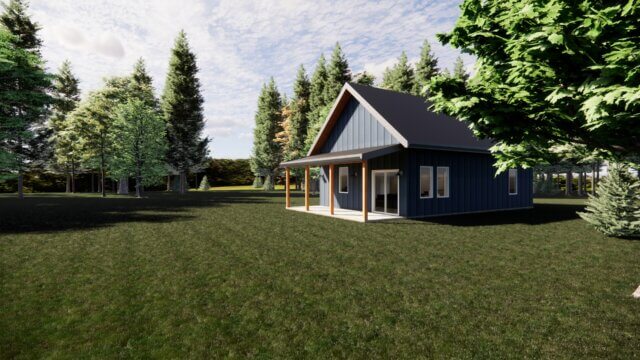

Tiny Homes in Ontario: Rules, Permits & Design Guide (2026)
Tiny homes are one of the fastest-growing housing trends in Ontario. They offer a smart way to live simply, reduce costs, or create rental income.
Whether you want a primary residence, garden suite, or backyard rental unit, a tiny home can be a great solution. However, you must follow zoning rules and building regulations.
What Is a Tiny Home?
A tiny home is a small, self-contained residential unit. Most are between 400 and 600 sq. ft.
In Ontario, tiny homes can be used as:
- A primary house
- A secondary unit (basement or addition)
- A garden suite (detached backyard home)
👉 In other words, a tiny home is not just about size. It must function as a full living space.
Are Tiny Homes Legal in Ontario?
Yes, tiny homes are legal. However, they must meet specific requirements.
First, the property must allow residential use.
Second, the design must comply with the Ontario Building Code.
Finally, you must obtain a building permit.
In many areas, municipalities now allow:
- Garden suites
- Additional residential units
Therefore, tiny homes are becoming more accessible than ever.
Zoning Requirements
Zoning rules control where and how you can build.
For example, municipalities regulate:
- Minimum lot size
- Setbacks from property lines
- Maximum height
- Lot coverage
- Parking requirements
In addition, some cities allow more flexibility for backyard homes.
👉 Because rules vary, always check local zoning before starting design.
Ontario Building Code (OBC) Requirements
Even though the home is small, the rules are strict. Tiny homes must follow the same standards as larger houses.
Key requirements include:
1. Minimum Room Sizes
Rooms must meet minimum space requirements.
2. Ceiling Height
Most living areas require at least 1.95 m (6’-5”).
3. Stairs and Lofts
Lofts are allowed. However, safe stairs are required. Ladders are usually not accepted.
4. Fire Safety
Each unit must include:
- Smoke alarms
- Carbon monoxide detectors
5. Insulation and Energy Efficiency
All homes must meet SB-12 energy standards. This is especially important for Ontario winters.
6. Heating and Ventilation
A proper heating system is required. In addition, ventilation must meet code standards.
Tiny Homes on Wheels vs Permanent Tiny Homes
It is important to understand the difference.
Tiny Homes on Wheels
These are usually classified as RVs.
As a result, they are not permitted as permanent housing in most areas.
Permanent Tiny Homes
These are built on a foundation.
Therefore, they are legal as full residential units when approved.
👉 For long-term use, always choose a permanent structure.
Permit Process (Step-by-Step)
Building a tiny home requires approval. The process includes:
- Zoning review
- Site planning
- Architectural drawings
- Permit application
- City review
- Permit approval
- Construction and inspections
Cost of Building a Tiny Home in Ontario
Costs can vary depending on design and site conditions.
- Basic tiny home: $120,000 – $200,000+
- Custom design: $200,000 – $350,000+
- Garden suite: $250,000 – $400,000+
In addition, servicing (water, sewer, electrical) can increase the budget.
Benefits of Tiny Homes
Tiny homes offer several advantages.
✔ Lower construction cost
✔ Rental income opportunity
✔ Flexible living space
✔ Energy efficiency
✔ Faster build time
Common Mistakes to Avoid
Many homeowners make similar mistakes.
❌ Assuming no permit is required
❌ Ignoring zoning restrictions
❌ Poor insulation design
❌ Using a home on wheels as permanent housing
❌ Not planning utilities early
Therefore, proper planning is essential.
Design Tips for Tiny Homes
A good design makes a small space feel larger.
For example:
- Use open layouts
- Add built-in storage
- Maximize natural light
- Choose multi-functional furniture
- Plan systems early (HVAC, plumbing)
Tiny Home Design Services in Simcoe County
At Era Plus Design & Consulting, we design:
- Tiny homes
- Garden suites
- Secondary units
- Permit-ready drawings
We focus on modern, efficient, and fully compliant designs for Ontario homeowners.